
A healthy diet should include plenty of foods high in Vitamin C, and fortunately that is easy to do because a great number of foods are rich in this essential nutrient. Including these foods in your diet is not enough, however, if you want to take advantage of the Vitamin C benefit. You have to know how to prepare them properly for the maximum nutritional benefit.
Foods Sources of Vitamin C
Many fruits and vegetables are rich Vitamin C sources. While the proper daily dosage varies from 40 to 120 milligrams of the nutrient per day depending on an individual's health, age, and metabolism - some recommendations may even be as much as 1,000 milligrams - the foods richest in the nutrient that supply 10 percent or more of the recommended daily dosage include:
- Sweet red bell peppers
- Parsley
- Broccoli
- Cauliflower
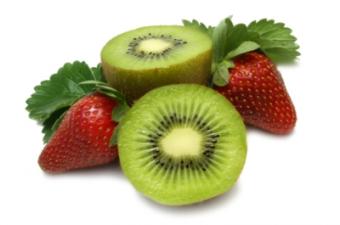
- Strawberries
- Mustard greens
- Papaya
- Grapefruit
- Kiwi
- Oranges
- Cantaloupe
- Cabbage
- Tomatoes
- Raspberries
- Celery
- Spinach
- Pineapple
- Watermelon
- Tangerines
- Limes
- Cranberries
- Guava
The exact dosage of Vitamin C in each fruit or vegetable depends on many factors, including how it is prepared and stored, the size of the serving, and how ripe the produce is. In general, a well ripened product has the greatest levels of Vitamin C, though even unripe samples contain some of the nutrient.
Additional foods that supply a good source of Vitamin C include:
- Basil
- Cayenne pepper
- Blueberries
- Carrots
- Garlic
- Apricots
- Sweet potatoes
- Plums
- Peas
- Onions
- Oregano
- Chili pepper
- Bananas
- Apples
- Beets
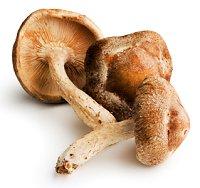
- Shiitake mushrooms
- Pears
- Grapes
- Avocado
- Mango
- Radishes
With such a wide variety of foods providing Vitamin C, it is easy to prepare a tasty, diverse diet to satisfy the body's requirements for this nutrient. For an even healthier menu, select different foods in different bright colors - a salad made from spinach, carrots, red peppers, shiitake mushrooms, and tangerine wedges, for example - to ensure not only a good supply of Vitamin C, but also healthy sources of other essential vitamins and minerals.
Fortified Foods
Some additional foods, including fruit juices and ready-to-eat cereals, also contain Vitamin C through artificial fortification. Individuals who plan on using fortified foods to supplement Vitamin C in their diet should read the nutritional labels carefully to ensure they are getting an adequate supply.
Preparing Vitamin C Foods
Because this nutrient is water soluble, it is extremely delicate and can easily be lost through improper cooking or storage. Fresh, raw fruits and vegetables are the best sources of Vitamin C. If the foods must be cooked, they should be cooked as briefly as possible at only moderate temperatures - extreme heat can destroy Vitamin C. Boiling, freezing, and canning also deplete the nutrient, and heavily processed fruits and vegetables may lose up to 70 percent of their Vitamin C before being consumed.
Storage
Fruits and vegetables consumed within a day or two of purchase not only taste better, but have a greater supply of Vitamin C: the longer food is stored, the less healthy it will become. This is particularly true for produce stored in water since the nutrient easily leaches into the water and can be lost. For the healthiest produce choices, purchase in-season fruits and vegetables from local growers, and learn how to judge which specimens are the freshest and therefore the healthiest.
Understanding about foods high in Vitamin C, as well as how to prepare them to preserve their nutritional value, can help anyone plan a healthy, balanced diet that will never be lacking in this essential nutrient.


