Foods High in Vitamin K

From LoveToKnow Vitamins

Vitamin K is an essential nutrient for good health, and knowing about foods high in Vitamin K can help individuals plan diets to accommodate their nutritional needs. At the same time, some individuals should avoid those same foods to prevent potentially devastating health problems.

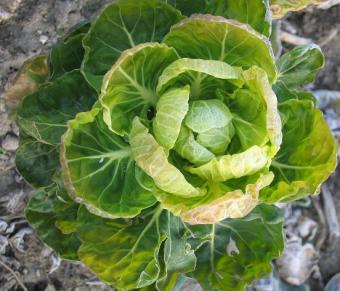
Leafy greens are the best source of Vitamin K.

About Vitamin K

Vitamin K was first discovered in 1929 by a Danish scientist, Henrik Dam, who noticed the coagulatory properties associated with specific blood chemistry. In German, this “coagulation vitamin” was call koagulationsvitamin, and eventually became known as Vitamin K.

Vitamin K is manufactured by a range of intestinal bacteria, principally in the lower intestine. This is a rich source of the nutrient, but some individuals do not manufacture sufficient amounts especially if their intestines are damaged. In these instances, it is necessary to ingest foods high in Vitamin K to make up the recommended 65 to 120 micrograms for daily dietary intake.

Health Benefits

Vitamin K has a range of health benefits in addition to being essential for proper blood clotting. The nutrient is also instrumental in keeping blood vessels flexible and healthy as well as regulating proper bone development.

Deficiency Concerns

A severe lack of Vitamin K can lead to a multitude of health problems, including:

  • Osteoporosis and other weakened bone disorders, which may in turn lead to easier fractures
  • Excessive hemorrhaging even for small cuts, including other side effects such as bloody noses and easy bruising
  • Potential birth defects and physical deformations related to bone growth
  • Hardened, inflexible arteries and atherosclerosis

At the same time, an individual who consumes too much Vitamin K may be in danger of having thickened blood that could lead to heart attacks, stroke, and other vascular problems. Individuals who are on blood thinning medication such as warfarin or coumadin should be especially cautious about their Vitamin K intake to ensure they do not have adverse reactions.

Food Sources of Vitamin K

The foods highest in Vitamin K are green, leafy vegetables such as kale, collard greens, spinach, Brussels sprouts, broccoli, spinach, parsley, asparagus, lettuce, endive, okra, and mustard greens. Exactly how much of the nutrient is present in each serving depends on the exact type of vegetable and how it is prepared.

Because livestock also feed on a diet rich in leafy greens, beef and pork liver are rich sources of the nutrient, though one of the least popular.

Cantaloupe contains Vitamin K.

Many other fruits and vegetables contain moderate amounts of Vitamin K, including red cabbage, avocados, dill pickles, kiwi, lentils, kidney beans, cucumbers, leeks, celery, artichokes, peas, and plums. Low amounts of Vitamin K can be found in tomatoes, blueberries, apricots, sweet potatoes, egg yolks, tofu, navy beans, cantaloupe, peaches, grapes, apples, bananas, carrots, and oats.

With such a wide range of foods offering varying amounts of Vitamin K, it is easy to create a diet rich in this essential nutrient. If finding these foods is difficult or unpalatable to your tastebuds, a portion of the recommended daily intake is available in most broad spectrum multivitamins.

Cooking Foods High in Vitamin K

The best way to absorb vitamins and minerals from food is from fresh, raw sources. Salads and fresh fruits are the richest sources. As foods are cooked they gradually lose the vitamin's healthy properties because cooking breaks down chemical bonds of the vegetables and destroys nutrients. To enjoy Vitamin K rich foods, create healthy salads from dark, leafy greens, and top the salad with other foods that also contain moderate or small amounts of the nutrient.

When the vegetables must be cooked, light cooking is best to preserve the Vitamin K. If the vegetables are still crisp, they will have more nutritional value than soggy or mushy portions. When boiling the vegetables, the nutrient will leech into the water. Save that water for a soup broth or stock to reclaim its nutritional value.

Additional Vitamin K Diet Tips

Because the body cannot store Vitamin K for long periods of time or in large doses, the best way to ensure a proper dosage of the nutrient is through a balanced, healthy diet that includes foods high in Vitamin K at each meal. Add blueberries and bananas to morning cereal or enjoy a slice of cantaloupe for breakfast, include celery sticks with a healthy lunch, and enjoy a leafy green side salad with dinner to spread out Vitamin K in a varied menu.


Many foods are rich sources of Vitamin K, making this essential nutrient easy to obtain through a healthy, balanced diet. With proper cooking and regular dietary sources, vitamin deficiency can easily be avoided.


Comments

Hi Angela, if you're just getting vitamin K through your food, it's hard to get too much. If you're concerned about the combination of supplements and foods, talk to your doctor. Good luck and thanks for posting a comment!

-- Contributed by: Jeanne Grunert

This is very interesting...thank you for publishing it. I have P.B.C. and the doctor says I need vit. K ...I happen to love spinach... and I sometimes take vitamin K 'pills'. However, how can I know if I am taking/eating too much vit. K ?

-- Contributed by: Angela Hannaford

It's possible. Soy milk can also be fortified, the way cow's milk is fortified. Try leaving it out for a while until your next blood test to see if that helps. Do consult with your doctor too.

-- Contributed by: Jeanne Grunert
> See All Comments on this article    


Comment on Foods High in Vitamin K


(Displayed with your comment)                        (Will not be displayed)
Verification Code:   
    

Vitamins and Supplements Categories
LoveToKnow Tools